
4 Things We Assumed About David Protein
By: M. Gilligan
Last Modified:

Protein is taking over the world.
This macronutrient, which used to be just another part of the food pyramid, is now available in just about every form imaginable: chips, ice cream, bars, and somehow… soda?
Our editors have tried a lot of these products, but the humble bar is the one to beat in terms of convenience. The problem is, most of the bars we’ve tried were either like cardboard, or the ones that did taste somewhat good had disappointing macros.
Still, we need protein, right? So we live in hope that someday a bar will come along that doesn’t make us choose between decent macros and the will to keep chewing. Enter David.
We were skeptical about these bars in gleaming metallic packaging, assuming they’d be just another addition to the pile of protein slop. But given their pervasive hype, we decided to give them a fair shot.
Turns out, we got a couple of things wrong.
There Was No Way The Macros Made Sense
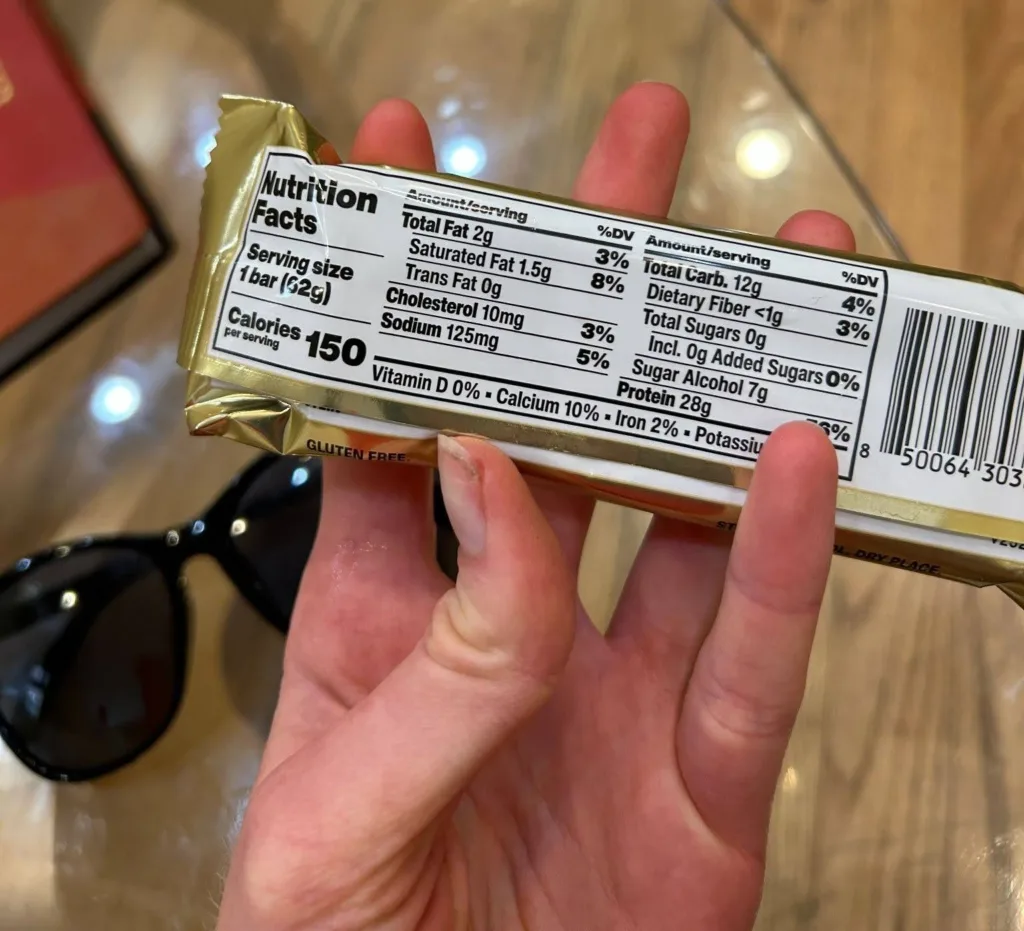
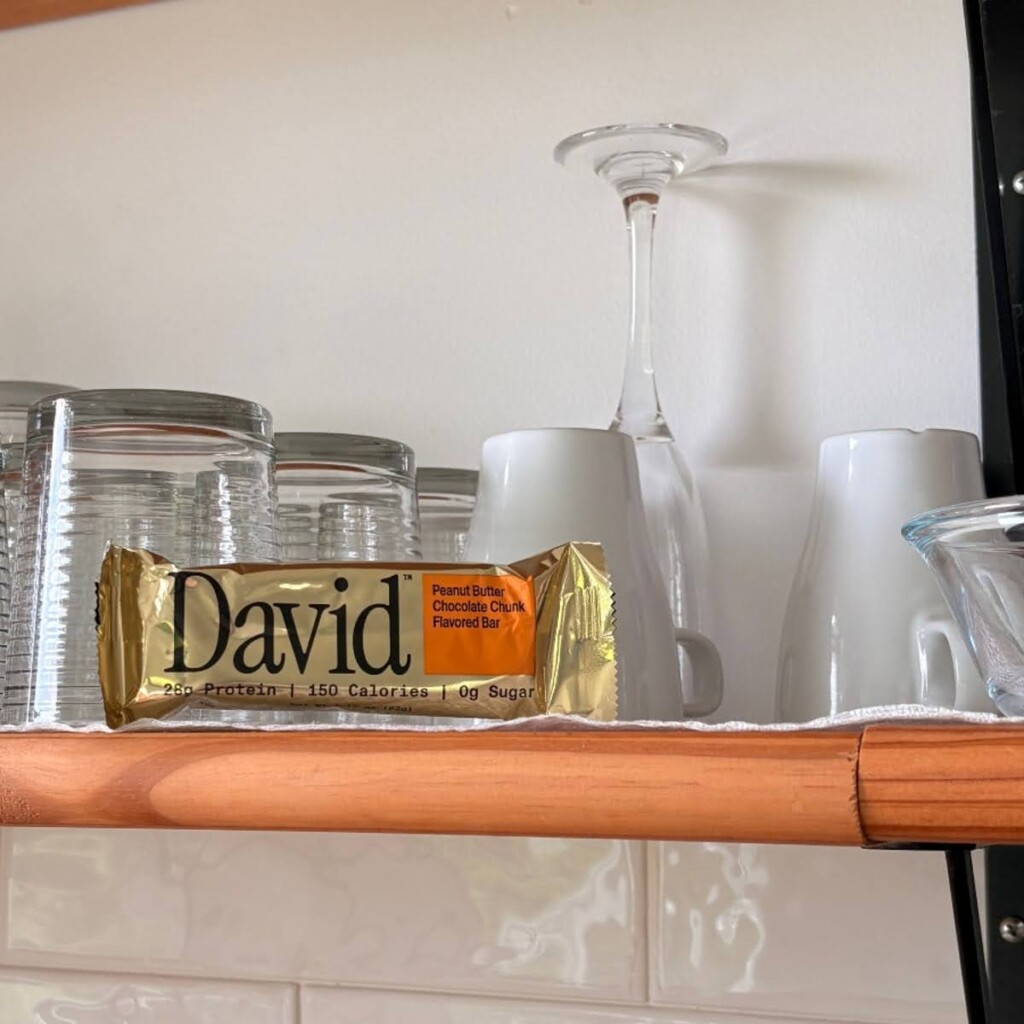
The macros on David Bars are really something to behold: 28g of protein for just 150 calories.
A standard protein ratio is typically 10 calories per gram of protein; David blows that number out of the water with a ratio of 5.3 calories per gram of protein.
But how the hell did they do it?
David achieves these impressive macros with a dense protein blend of milk protein, whey, egg white, and collagen to optimize grams, and instead of using traditional fat sources for texture and taste, they use a low-calorie fat replacement called EPG.
Bottom line: if you’re like us and thought the macros were too good to be true, they’re legit.
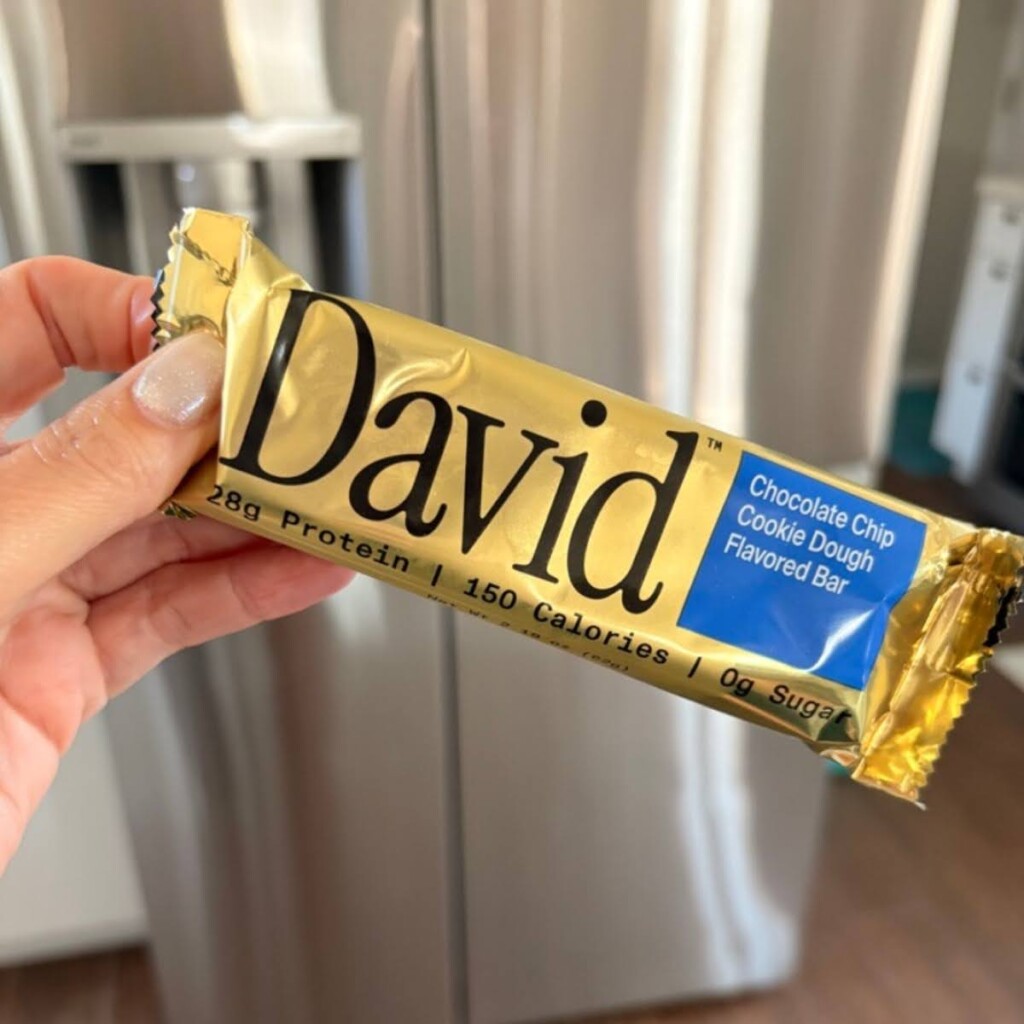
DAVID PROTEIN
The Protein Bar That Broke the Internet
28g of protein, 150 calories, and yes – it actually tastes good. See what the online hype is about.
They Would Taste Like Cardboard
We were reluctantly on the protein bar train before there were a million options out there. The protein bars of the past were either too artificially sweet or straight-up tasted like words we can’t say here.
So with everyone on TikTok singing the praises of David Protein bars, swearing they taste sooo good, we rolled our eyes.
Then we tried them. We started with their Cookie Dough Gold bars, which, shockingly, taste and have the texture of actual cookie dough, a crazy concept in the world of protein bars, honestly.
David has a pretty wide range of flavors, and the others we tried were also a culinary step up from the protein bars we’re used to. Standouts included Salted Peanut Butter and Blueberry Pie, but there’s a flavor for just about every sweet craving.
They Would Have the Texture of Drywall
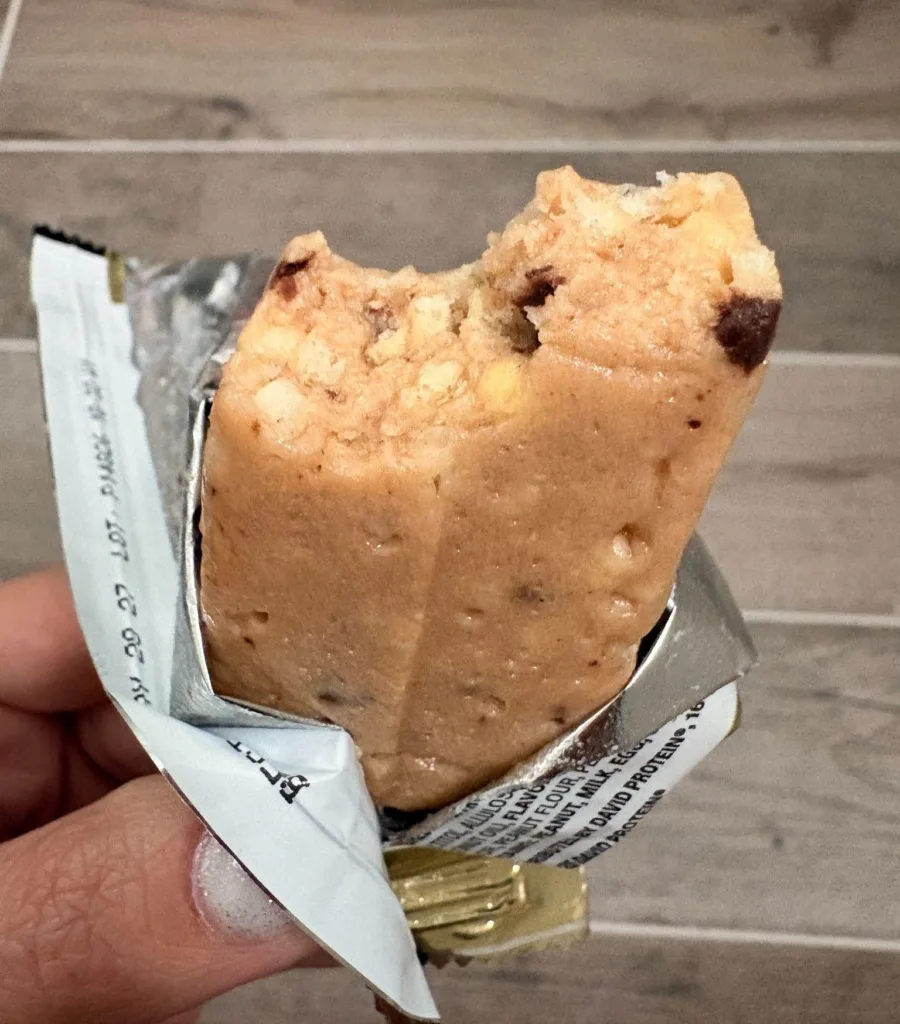
It’s not just that the protein bars we’re used to didn’t stack up in the taste department — most of them seem determined to make chewing them a legitimate jaw workout. You know the texture: weirdly dense, aggressively chewy, somehow dry and sticky at the same time.
The texture of David bars really caught us off guard. The bars are soft, doughy, and have the right density without being dry or chalky. The texture feels closer to an actual sweet treat like cookie dough, which meant we weren’t merely tolerating each bit to get our macros.
Hot take: if you want something to become a good habit, you should probably enjoy eating it. It might sound simple, but David gets major brownie points with us for nailing the texture.
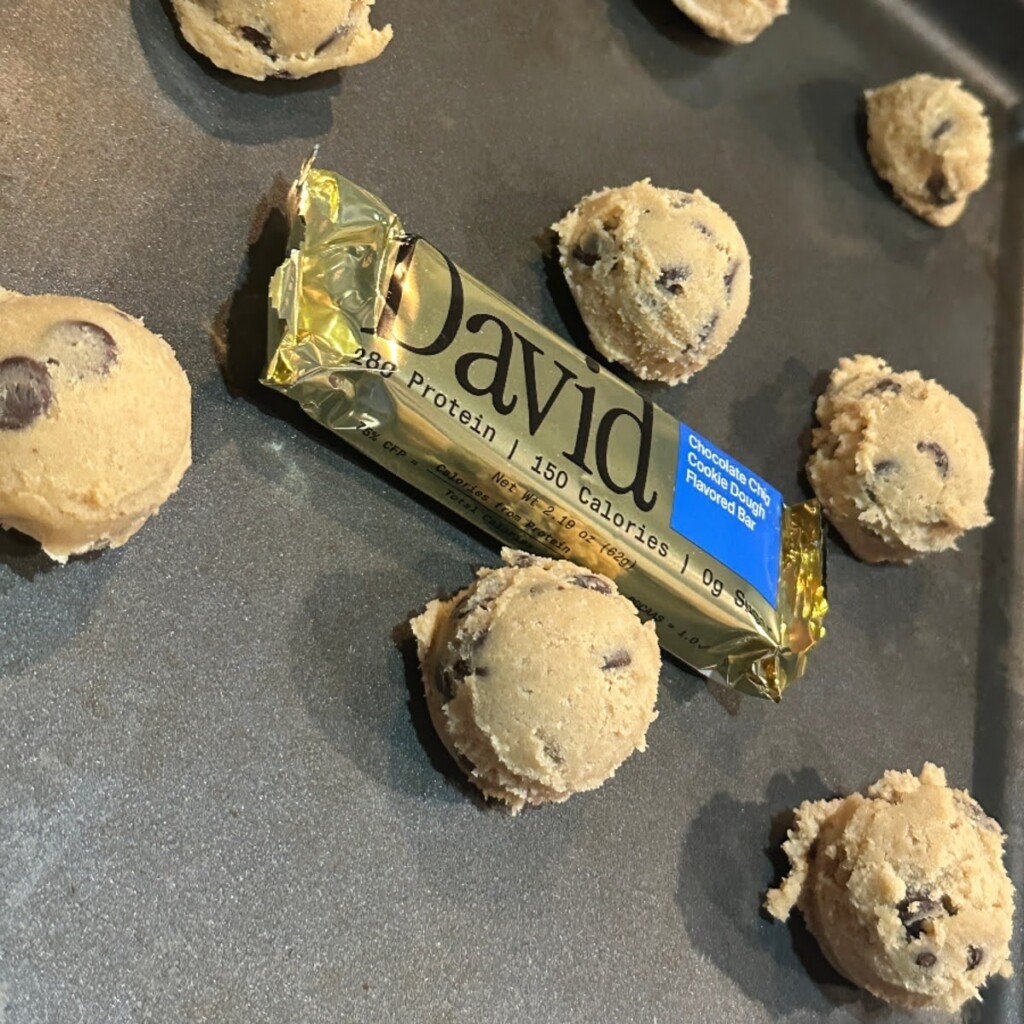
DAVID PROTEIN
Healthy Cookie Dough?
From Cookie Dough to Fudge Brownie, David bars taste like dessert but still win when it comes to macros.
They Would Cost an Arm and a Leg
No matter how good these bars are, no one wants to drain their bank account for a snack.
There’s no denying that protein bars are more expensive than candy bars. But it kind of makes sense when you consider that high-quality protein costs a lot more than sugar and seed oils.
David is no more expensive than any other protein bar out there. But where the value really kicks in is price per gram of protein. Take a standard 20g bar that costs $3.50, and you’re paying $0.17 per gram of protein. With David, you’re paying $0.12. Especially if you’re using protein bars to hit macro goals, David is certainly the better choice for value.
If you try David and become a fan, you can also subscribe and save 10% on every box, bringing the price per bar down to $2.93.
DAVID PROTEIN
We Were Skeptical. We Were Wrong.
Our honest verdict on the protein bar everyone’s talking about, and why it might be worth the hype.
